

As a chiropractor, I often see patients struggling with chronic pain, whether from injuries, arthritis, or other inflammatory conditions. While chiropractic care can relieve pain and improve function, a holistic approach incorporating dietary changes can significantly enhance recovery and overall health. One highly effective strategy is adopting an anti-inflammatory diet, which can help manage pain and reduce inflammation in the body.
Understanding Inflammation
Inflammation is the body’s natural response to protect against injury and infection. However, when it becomes chronic, it can result in a range of health problems, such as joint pain, heart disease, and some types of cancer. Studies show that diet is key in influencing inflammation levels in the body.
Foods with Inflammatory Properties
Certain foods can promote inflammation, exacerbating pain and discomfort. Here are some common culprits:
Processed Foods: Items high in sugar and unhealthy fats, such as pastries, candy, and fast food.
Refined Carbohydrates: White bread and other refined grains can trigger inflammatory responses.
Fried Foods: The oil used in frying can produce harmful compounds that increase inflammation.
Red and Processed Meats: Rich in saturated fats and advanced glycation end-products (AGEs), these can worsen inflammatory conditions.
Sugary Beverages: Sodas and sweetened drinks contribute to obesity and metabolic issues, leading to increased inflammation.
Anti-Inflammatory Foods
In contrast, some foods have demonstrated anti-inflammatory properties, aiding in pain relief and promoting healing:
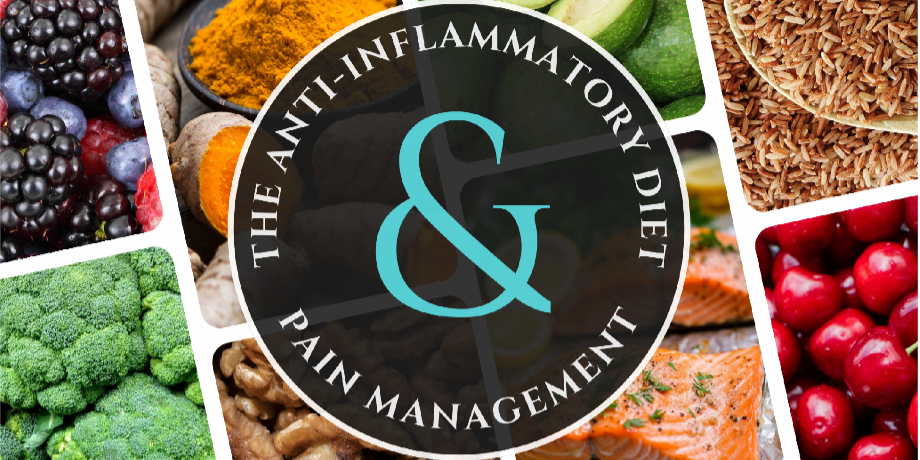
Fruits and Vegetables: Berries, cherries, spinach, and broccoli contain antioxidants and phytonutrients that help fight inflammation.
Healthy Fats: Olive oil, avocados, and nuts (especially walnuts) provide monounsaturated fats and omega-3 fatty acids, which are known to lower inflammation levels.
Fatty Fish: Salmon, mackerel, and sardines are high in omega-3s, which have strong anti-inflammatory properties.
Whole Grains: Quinoa, brown rice, and oats are excellent sources of fiber and nutrients that promote a healthy inflammatory response.
Spices: Turmeric and ginger have been shown to possess potent anti-inflammatory properties, making them excellent additions to any diet.
The Evidence
Numerous studies support the benefits of an anti-inflammatory diet. A systematic review published in the journal Frontiers in Nutrition (2020) revealed that dietary patterns high in fruits, vegetables, whole grains, and healthy fats were linked to reduced levels of inflammatory markers in the body. (1). Another study published in Nutrition Reviews (2018) highlighted that incorporating omega-3 fatty acids from fish can significantly reduce joint inflammation and pain in conditions like rheumatoid arthritis (2).
Resources for Adopting an Anti-Inflammatory Diet
If you’re interested in adopting an anti-inflammatory diet, several resources can provide guidance:
Books:
“The Anti-Inflammation Diet and Recipe Book” by Jessica K. Black: This book offers practical advice and easy recipes to help you transition to an anti-inflammatory diet.
“The Blue Zones Kitchen” by Dan Buettner: Although focused on longevity, this book emphasizes anti-inflammatory foods in regions with high life expectancy.
Websites:
Harvard Health: Their nutrition section often features articles on anti-inflammatory diets and the science behind them.
The American Institute for Cancer Research (AICR): Offers valuable information on how diet affects inflammation and health.
Podcasts:
The Doctor’s Farmacy with Mark Hyman, M.D.: This podcast explores the relationship between food, health, and chronic disease.
The Rich Roll Podcast: Focuses on plant-based nutrition and features numerous guests who discuss the benefits of anti-inflammatory diets.
“The Anti-Inflammation Cookbook: The Delicious Way to Reduce Inflammation and Stay Healthy” by Amanda Haas: This book offers straightforward and tasty recipes that are easy to prepare, making it a fantastic resource for anyone starting an anti-inflammatory diet.
Conclusion
An anti-inflammatory diet can be a powerful adjunct to chiropractic care in managing pain and promoting overall health. Emphasizing whole, nutrient-rich foods while avoiding inflammatory triggers can greatly enhance your quality of life. It’s important to consult a healthcare professional or a registered dietitian before making major dietary changes, particularly if you have existing health conditions.
By embracing an anti-inflammatory diet, you’re not just managing pain but investing in your long-term health and well-being.
References:
DiNicolantonio, J. J., & O’Keefe, J. H. (2020). “Dietary Patterns and Inflammation: A Systematic Review.” Frontiers in Nutrition.
Calder P. C. (2017). Omega-3 fatty acids and inflammatory processes: from molecules to man. Biochemical Society transactions, 45(5), 1105–1115. https://doi.org/10.1042/BST20160474